Have you ever seen a 30–60 second video suddenly explode online? One moment it’s just a simple clip, and the next moment it’s everywhere — shared across social media, discussed in comments, and sometimes even turning a small brand into a viral sensation.
That’s the power of short-form video today. Platforms like TikTok, Instagram Reels, and YouTube Shorts have changed how people consume content. Instead of watching long videos or reading long posts, many people now prefer quick, engaging clips they can watch while scrolling through their phones.
And the best part? You don’t need expensive equipment or advanced editing skills to start. With the right tools for making short videos, anyone can create professional-looking content using nothing more than a smartphone or laptop.
In this guide, we’ll explore seven powerful tools for creating memorable short videos, explain why short-form content dominates social media, and share practical tips to help your videos stand out in crowded feeds.
Why Short Videos Are Taking Over Social Media
If you’ve ever wondered why short videos are everywhere, the answer is simple: they match how people consume content today. Modern audiences are busy, distracted, and constantly multitasking. They’re scrolling through social media while commuting, waiting in line, or taking short breaks during the day.
Research shows that the average person checks their phone dozens of times per day and spends several hours daily on mobile devices. Because of this behavior, long content often struggles to keep attention. Short videos, on the other hand, deliver quick entertainment or useful information within seconds.
In fact, many marketing studies show that video content influences purchasing decisions more than any other format. A large percentage of consumers say they’ve purchased a product after watching a short video demonstrating how it works. Even more people say they prefer learning about products through short videos instead of reading blog posts or long guides.
This shift has made short-form video the most powerful content format for marketers, creators, and small businesses. Platforms actively promote these videos because they keep users engaged longer. As a result, even new creators can sometimes reach thousands — or even millions — of viewers with the right idea and execution.
Short videos also align with the reality that human attention spans have become shorter over time. Studies often suggest that the average attention span today is around eight seconds, which means content needs to capture interest immediately. Short videos excel at this by delivering quick stories, useful tips, or entertaining moments without requiring a large time commitment from viewers.
For businesses, this creates a huge opportunity. Instead of spending weeks creating long promotional content, brands can publish quick videos regularly to build awareness, attract customers, and strengthen their online presence.
What Types of Short Videos Perform Best?
Before diving into the tools themselves, it’s important to understand what kind of short videos people actually enjoy watching. Not every video needs to be highly produced or follow complicated trends. In fact, many of the most successful short videos are simple, relatable, and focused on a single clear idea.
One of the most popular formats is quick tutorial videos. These clips teach viewers how to do something useful within seconds. For example, a creator might show a simple productivity tip, a cooking shortcut, or a clever trick for organizing everyday items. Because these videos deliver immediate value, viewers are more likely to watch until the end and share them with others.
Another format that works extremely well is behind-the-scenes content. People love seeing what happens behind a brand or creator’s work. Showing how products are packaged, how a workspace looks during a busy day, or even humorous moments during production can make content feel authentic and relatable. These glimpses into real life often build stronger trust with audiences.
Short videos built around problem-and-solution storytelling are also very effective. These videos start by highlighting a common frustration or challenge and then quickly present a simple solution. Because the problem feels familiar to viewers, they immediately become curious about the outcome and continue watching to see the result.
Creators also frequently use trending sounds, memes, and challenges to increase visibility. While not every trend fits every brand, adapting a popular format in a creative way can help videos reach a wider audience. The key is to make sure the trend aligns naturally with your message instead of forcing it.
Finally, customer testimonials and relatable humor can perform surprisingly well. Short clips of real customers sharing their experiences can build credibility quickly. Similarly, lighthearted skits or jokes about everyday situations often resonate strongly with viewers because they feel relatable and easy to share.
The common thread across all these formats is simplicity. The most memorable short videos usually focus on one clear message, capture attention quickly, and deliver their value within a short timeframe.
The Best Tools for Making Short Videos in 2026
Now that we understand why short videos work and what types perform well, let’s explore some of the best tools for making short videos available today. These platforms make it easier than ever to create engaging content, even if you’ve never edited a video before.
1. Klap
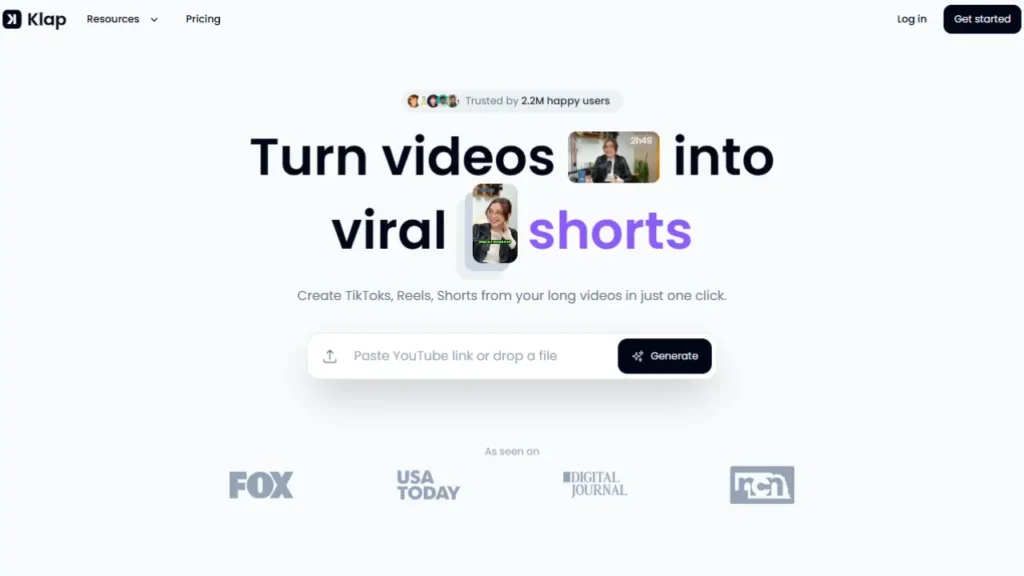
Klap is designed specifically for creators who want to transform longer content into short, shareable clips. If you already produce podcasts, webinars, YouTube videos, or online courses, Klap can save an enormous amount of editing time by automatically identifying the most engaging moments within your content.
Once you upload a video or provide a link, Klap uses artificial intelligence to analyze the footage and select highlight segments that are likely to perform well as short videos. It then automatically trims the clips, adds captions, and adjusts the framing so the subject remains centered in a vertical format suitable for social media.
This makes Klap particularly valuable for busy creators and businesses that regularly produce long-form content but want to expand their reach on short-video platforms. Instead of manually reviewing hours of footage, you can generate dozens of short clips in minutes.
The platform also allows users to customize captions, apply branding elements, and export videos directly for social media platforms. For content creators who want to repurpose existing material efficiently, Klap can feel almost like having a dedicated video editing assistant.
2. CapCut
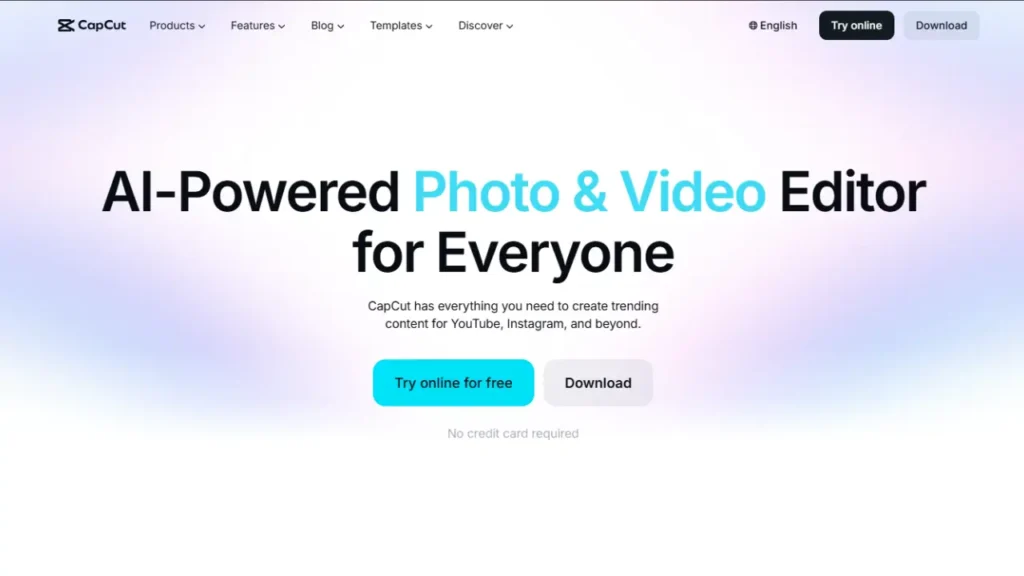
CapCut has quickly become one of the most popular editing apps for short-form video creators. Developed by the company behind TikTok, the platform is optimized for the exact types of videos that perform well on modern social media platforms.
One reason CapCut stands out is its balance between simplicity and powerful features. Beginners can easily trim clips, add music, insert captions, and apply visual effects without needing any technical knowledge. At the same time, more experienced creators can take advantage of advanced editing tools, transitions, and AI-powered automation features.
CapCut also offers a large library of templates specifically designed for TikTok, Instagram Reels, and YouTube Shorts. These templates allow creators to produce polished videos quickly by simply inserting their own clips into pre-built editing structures.
Another advantage of CapCut is its flexibility. The platform works across multiple devices, including smartphones, desktop computers, and web browsers. This makes it easy to start editing on one device and finish on another.
Because many of its core features are available for free, CapCut has become the go-to choice for millions of creators who want professional-looking short videos without complicated software.
3. Adobe Premiere on iPhone
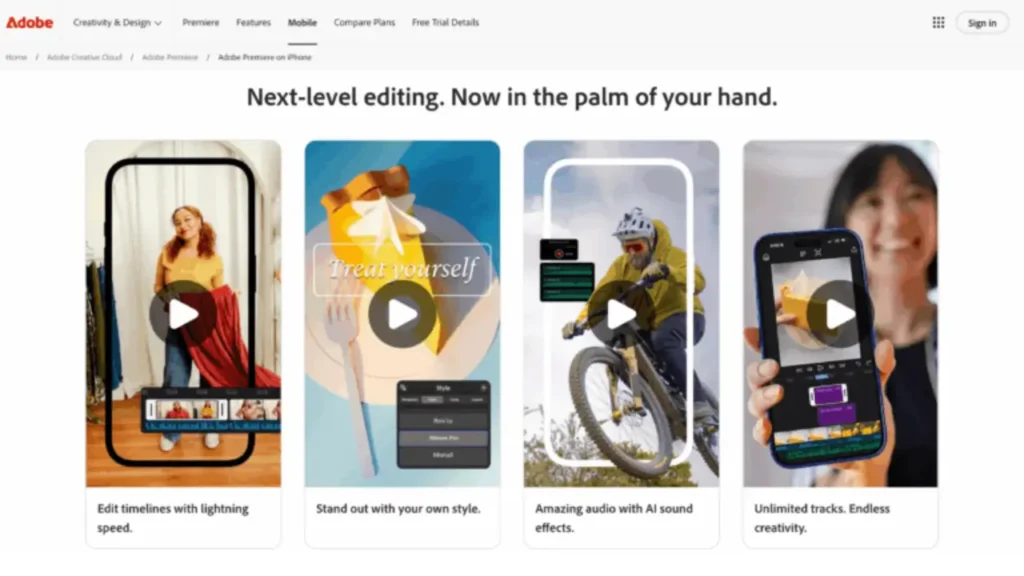
Adobe Premiere has long been known as a professional video editing platform, but its mobile version is designed to be far more accessible. Adobe’s iPhone editing app brings many useful features into a simplified interface that feels much less intimidating than traditional desktop editing software.
With this mobile tool, users can quickly cut and rearrange clips, adjust video sizes for different platforms, and export content directly to social media. Automatic caption generation and cloud storage features make it easy to manage projects across devices.
One of the biggest benefits of Adobe Premiere on iPhone is its integration with the broader Adobe ecosystem. Creators who eventually want to move into more advanced editing can transfer projects to the full desktop version of Premiere Pro.
For beginners who want slightly more control than typical mobile editing apps offer, this tool provides a comfortable middle ground between simplicity and professional capability.
4. Canva Video Maker
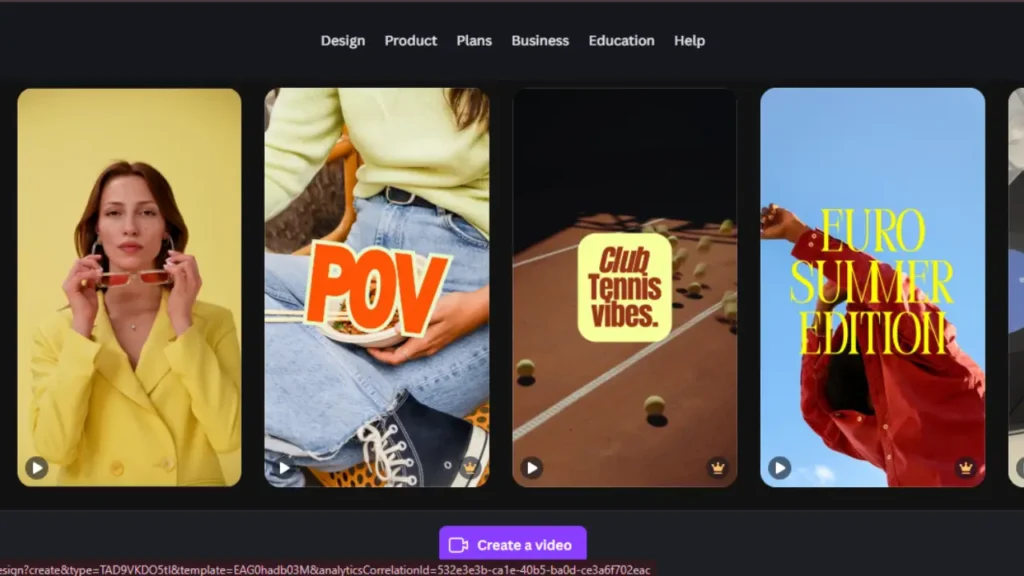
Canva has evolved far beyond simple graphic design. Today, it’s a full creative platform capable of producing presentations, social media graphics, marketing materials, and even short videos.
For video creation, Canva focuses on simplicity and speed. Users can choose from a large collection of templates specifically designed for social media content. These templates include animations, text overlays, and visual effects that help videos look polished even with minimal editing experience.
The editing process is extremely straightforward. Users simply drag their video clips, images, and text into the template layout, adjust timing if needed, and export the finished video. Canva also includes built-in music libraries, subtitle tools, and direct publishing options for various social platforms.
Because of its intuitive design and wide range of visual assets, Canva is particularly popular among marketers, social media managers, and small business owners who want to produce attractive videos quickly without learning complex software.
5. VEED
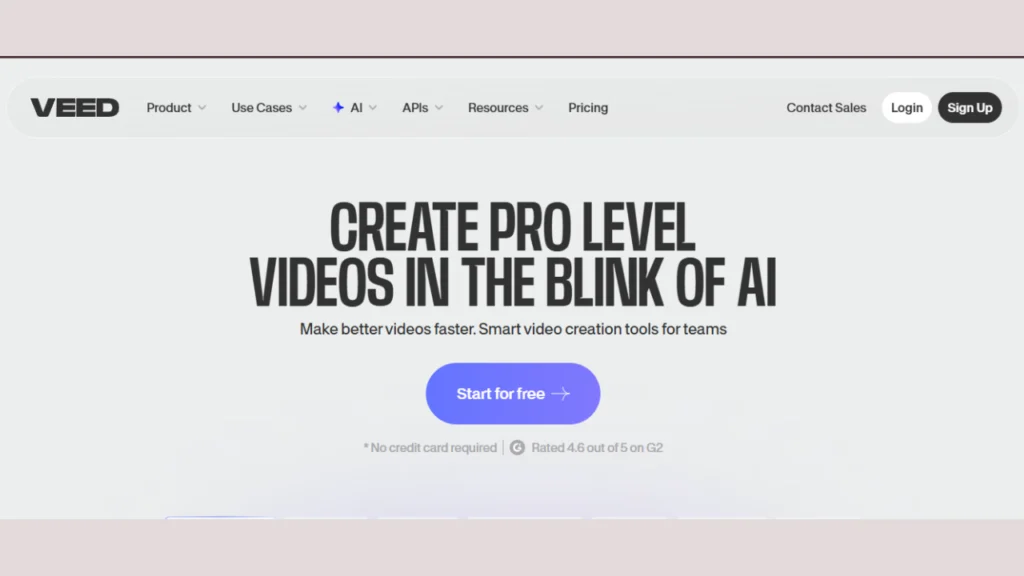
VEED is a browser-based video editor that combines professional capabilities with a beginner-friendly interface. Unlike many editing platforms that require downloads or installations, VEED runs entirely online, making it accessible from almost any computer with an internet connection.
The platform offers a comprehensive set of editing tools, including timeline editing, automatic subtitle generation, audio cleanup features, and screen recording options. Users can also create voiceovers, translate captions into different languages, and apply visual effects directly within the browser.
One of VEED’s most useful features is its ability to remove background noise and silent segments automatically. This helps creators produce cleaner, more engaging videos without needing advanced editing knowledge.
Because VEED combines powerful features with an easy-to-learn interface, it’s often a favorite choice for small teams, educators, and creators who want professional results without complex workflows.
6. Clipchamp
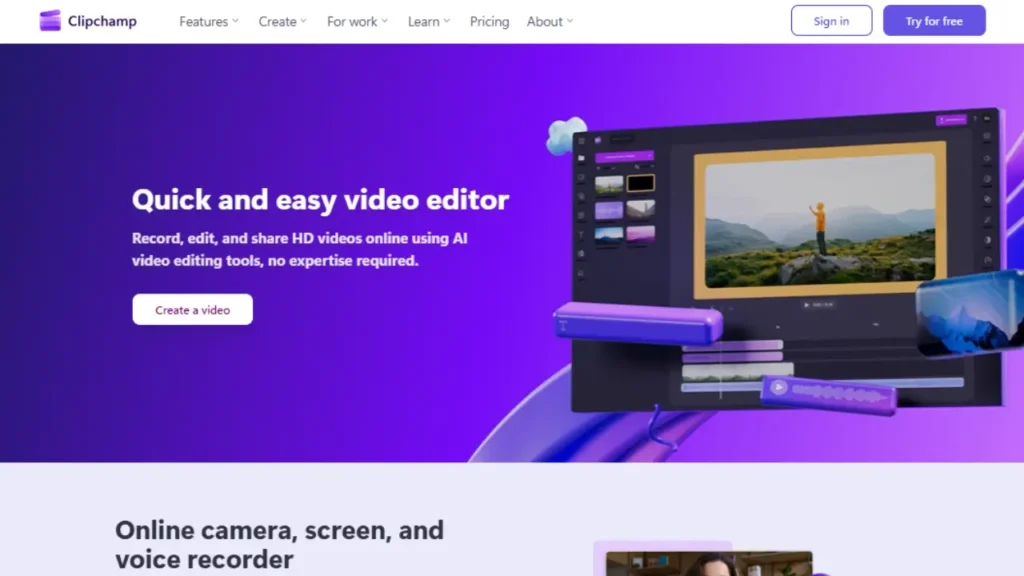
Clipchamp, now owned by Microsoft, has become a popular video editor for users who want quick results with minimal effort. The platform is integrated into Windows systems and also available through web browsers, making it easily accessible for millions of users.
Clipchamp focuses on providing essential editing features without overwhelming beginners. Users can trim clips, add text overlays, apply filters, and insert stock footage or background music from built-in libraries.
The platform also includes AI-powered subtitle generation and voiceover tools, which are particularly useful for social media content. Since many viewers watch videos without sound, these captions help ensure the message remains clear.
For creators who simply want to edit and publish videos quickly without learning complicated software, Clipchamp provides a practical and reliable solution.
7. DaVinci Resolve
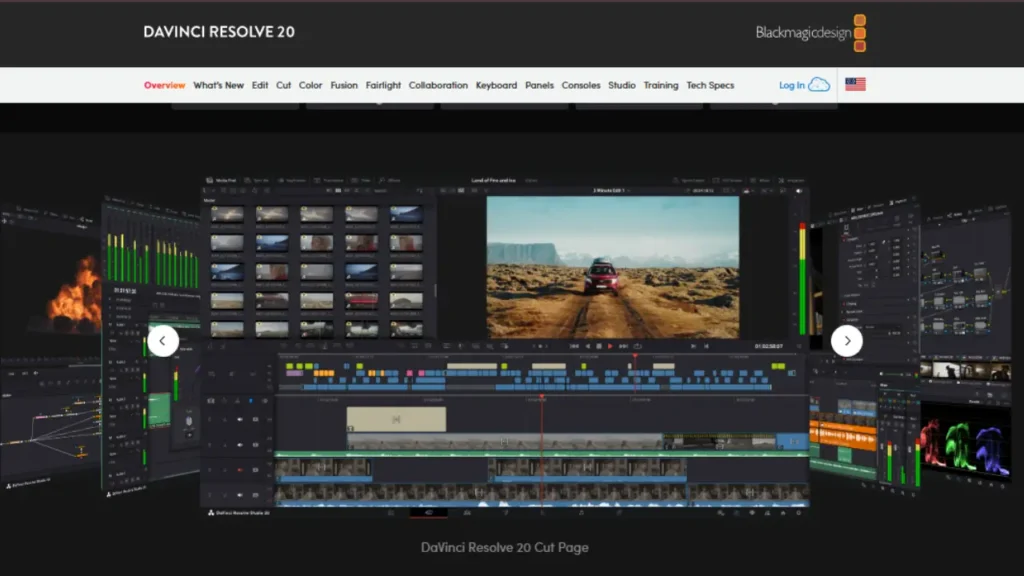
DaVinci Resolve stands apart from most other tools on this list because it offers professional-grade editing capabilities typically used in film production. Surprisingly, the basic version of the software is available for free.
The platform includes advanced features for color correction, visual effects, motion graphics, and audio editing. These tools allow creators to produce cinematic-quality videos with precise control over every element of the editing process.
However, DaVinci Resolve comes with a steeper learning curve than most beginner tools. New users may need to spend time watching tutorials and practicing basic edits before becoming comfortable with the interface.
For serious creators or businesses that want to produce highly polished video content, DaVinci Resolve can be an incredibly powerful tool once mastered.
Best Practices for Creating Short Videos
Even with the best editing software, successful short videos depend heavily on how they are structured. One of the most important principles is capturing attention immediately. Viewers often decide within the first few seconds whether to keep watching or scroll past the video.
Starting with an intriguing question, surprising statement, or visually interesting moment can dramatically improve retention. After grabbing attention, the video should focus on one clear idea rather than trying to cover multiple topics.
Captions also play a crucial role. Many people watch social media videos without sound, so adding readable subtitles ensures the message remains understandable.
Keeping the video visually dynamic is equally important. Quick cuts, changing camera angles, or simple text overlays help maintain viewer interest and prevent the content from feeling static.
Finally, consistency matters more than perfection. Publishing videos regularly allows creators to experiment, learn from audience feedback, and gradually improve their content over time.
Final Thoughts
Short-form video has transformed how content spreads online. What once required expensive production teams can now be achieved with simple tools and a smartphone.
The key isn’t having the most advanced editing software. It’s creating videos that capture attention quickly, deliver a clear message, and connect with viewers in an authentic way.
If you’ve been thinking about trying short-form video, start simple. Choose one of the tools for making short videos mentioned in this guide — whether it’s CapCut, Canva, VEED, or another platform — and create your first clip.
Your first video might not go viral, and that’s completely normal. The creators who succeed are the ones who keep experimenting, learning from their results, and consistently improving their content.
With time and persistence, even a simple 60-second video can grow into something far bigger than you expected.